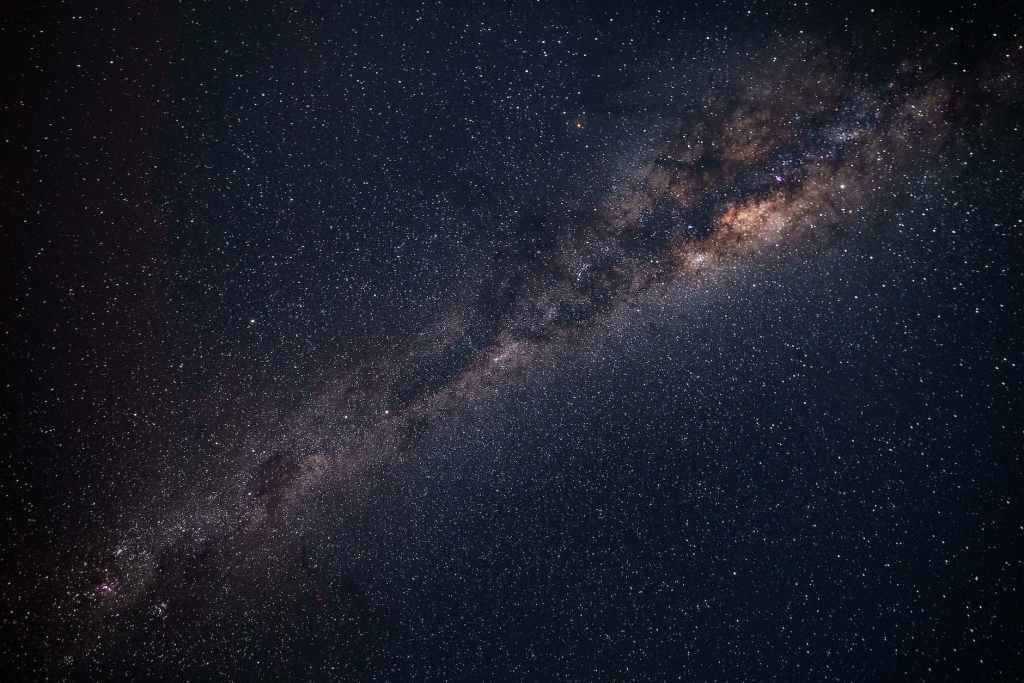
On August 12th, 2022, I went to a TEDxKC event. The talks were okay, but the after-party, “Act II,” had a particular guest who sparked a new curiosity within me that continues to grow.
My wife and I decided to skip the last speaker that night and grab a beer from the open bar to explore “Act III.” In the very back corner, a group was looking through telescopes they had set up. We walked over and asked what they were looking at. They said Saturn and pointed at a bright object in the sky. Sure enough, after looking through the telescope, I saw an object the size of an eraser with a ring around it.
It really bothered me that I had gone my whole life, probably noticing the bright objects in the sky, and assumed they were stars. But in reality, I was looking at Saturn, Venus, Mercury, or Jupiter. The only planet I believed I had observed was Mars, but then again, half the time I was probably just looking at Betelgeuse.
After passively researching telescopes for a few months I came to the conclusion that we would get a 130MM dobsonian telescope, which is not your stereotypical looking scope. Telescopicwatch.com is by far the best resource.
My interest in astronomy continues to grow. There are so many fascinating projects happening today and being proposed for the future. It seems like every week there are new discoveries in space and amazing James Webb Telescope pictures being published.
Here are some projects and discoveries that have been blowing my mind.
MONSTER TELESCOPES
There is a telescope named ELT (Extremely Large Telescope) that is being built in Chile right now that will be 3X bigger than the current largest telescope on earth.

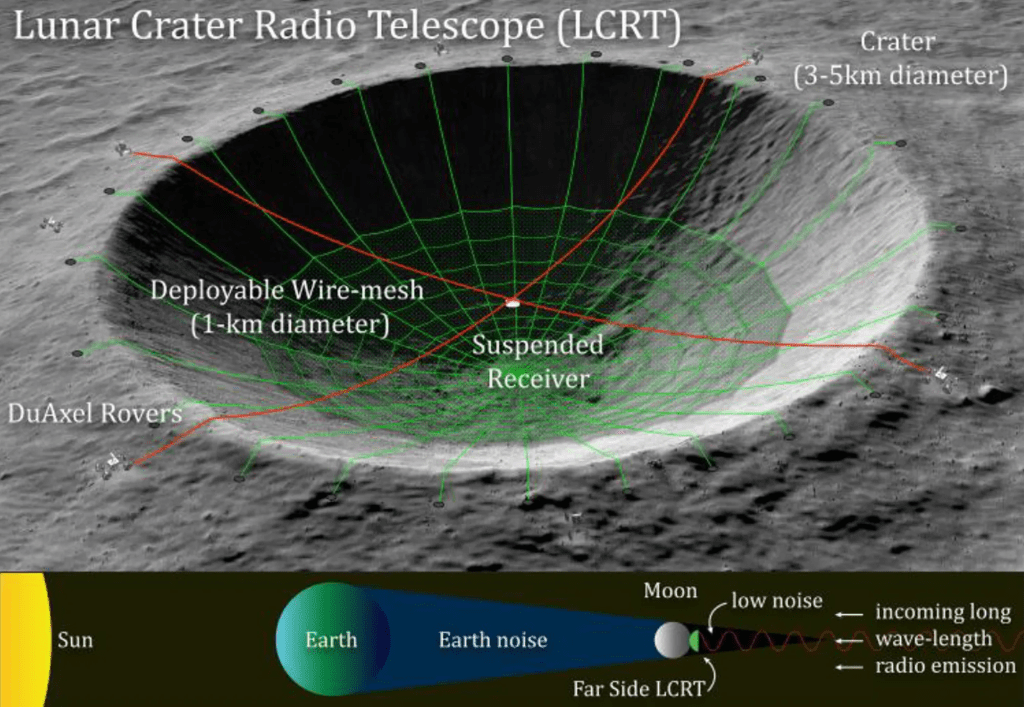
NASA wants to build a telescope on the moon. It’s call the Lunar Crater Radio Telescope.
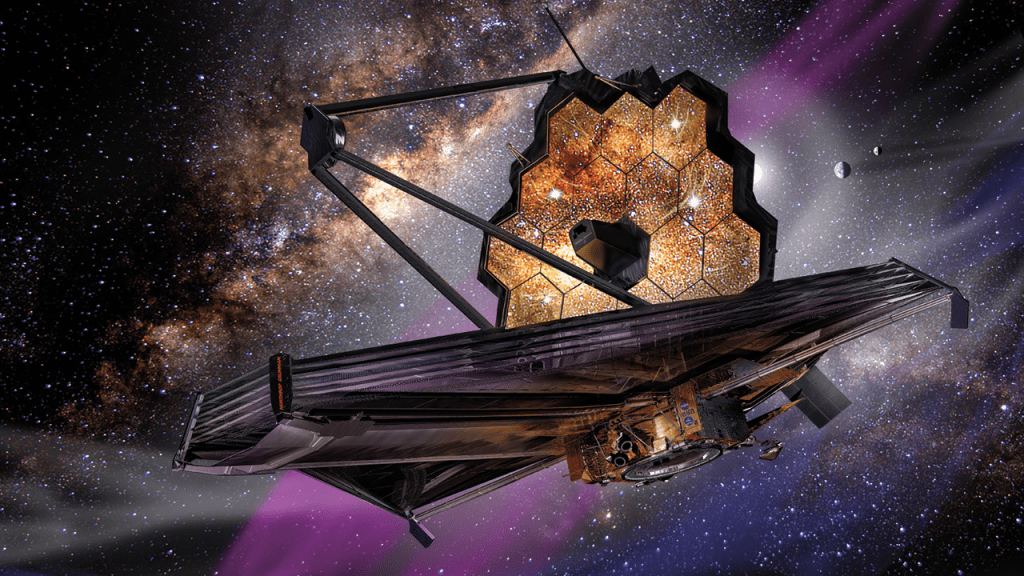
The James Webb Telescope continues to snap the wildest pictures of distant galaxies, planets, and nebulas. It’s constantly making new discoveries and putting a lot of theories and ideas about our universe into question.
Habitable Life in the Milky Way
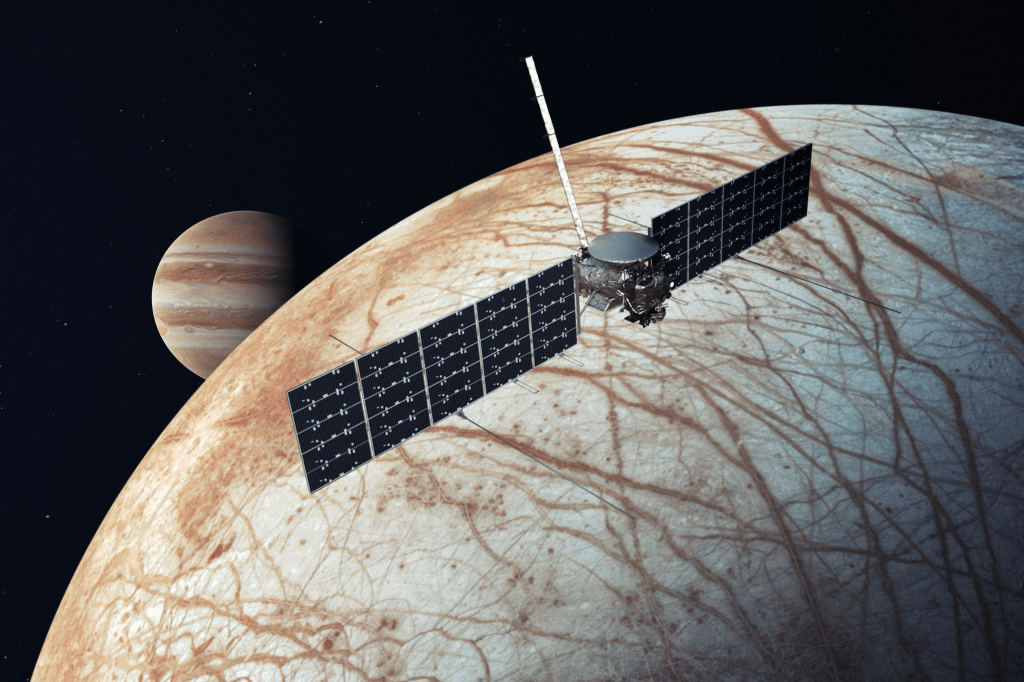
If you ask an astrophysicist where the most likely places in the universe to find living organisms are, they will definitely say the planet or moon needs to be in the “habitable zone” or “Goldilocks zone”—not too far but not too close to a star, just the right distance to have water on the surface. That’s great, but what about one of Saturn’s moons, Europa?
Europa is the smallest of the Galilean moons but the sixth largest in the solar system. It is the smoothest of all known objects in our solar system, and based on solid evidence, probably has water underneath its icy crust. Potentially, it has twice as much water as is on Earth. However, Europa is outside the so-called Goldilocks Zone. Jupiter’s strong gravity creates tides on Europa that stretch and tug the moon, producing heat from the core. NASA is so confident there is liquid water under the surface of this moon that they are spending $5 billion dollars to send the Europa Clipper into space to explore the moon.
It’s interesting to think that beyond the 500 million planets suspected to be in the habitable zone in the Milky Way, there could be a different type of habitable planet that doesn’t rely on a star for its heat source.
The Milky Way
Our home galaxy is one of roughly two trillion galaxies in our universe. All the stars we humans see at night from Earth are in the Milky Way, which has around 400 billion stars in it. The numbers boggle the mind, and that’s before even thinking about the distance between everything in space.
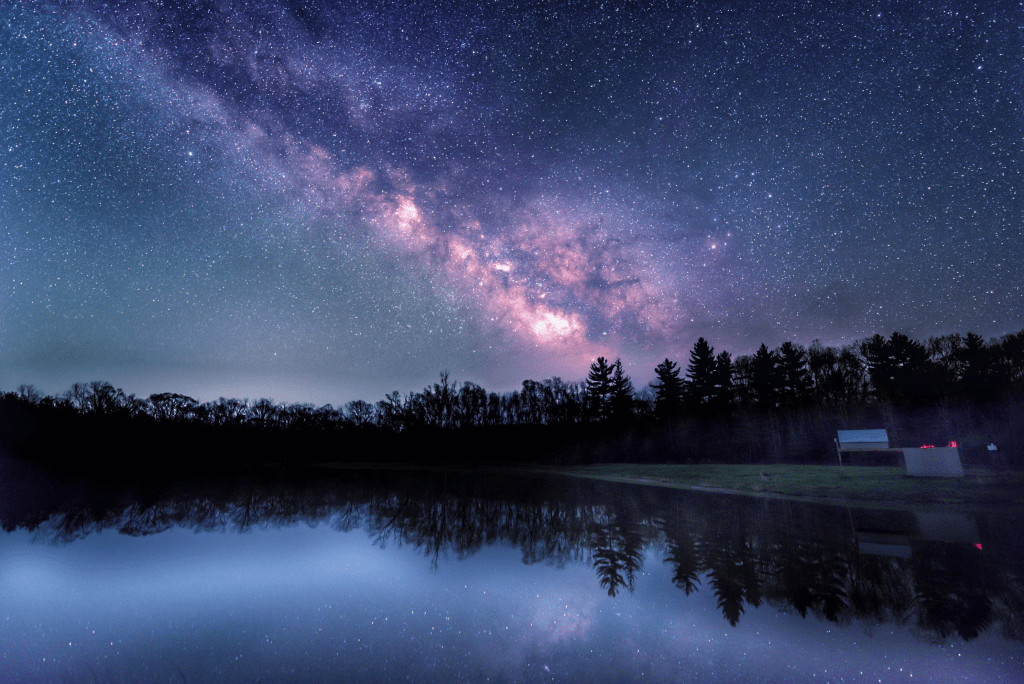
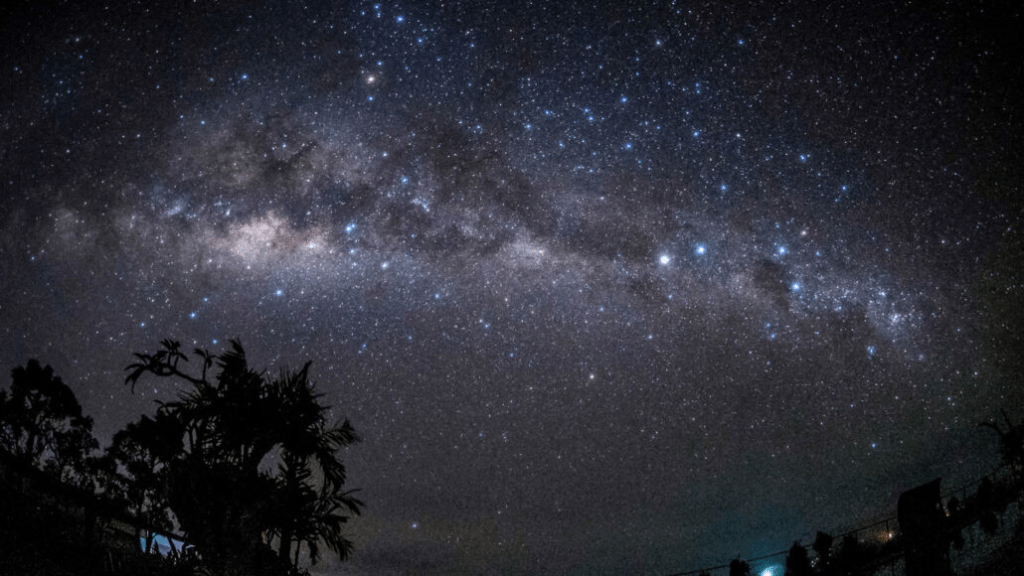
Rather than try to even scratch the surface of understanding the science behind these estimates, I think I’ll go view the Milky Way for myself. It appears as a cloudy streak of stars.
Step One: Find the closest location with the least light pollution, ideally a Bortle 2 on the Bortle Scale
Step Two: Wait for a New moon and clear night
Step Three: Know when to go. Ideally for my family will be in August when the Milky Way begins to appear at dusk.
Step Four: Enjoy, no telescope necessary.

 The Big Impulse